
"coffee washing stations"
1000 article(s) found

Red wine fruit acid Kenya Jin early valley coffee varieties taste characteristics Manor boutique coffee beans flavor introduction
Embu Washing Station from Gichugu region, Kenyan double washing method, growing in Manyata-Embu County on the eastern slope of Kenya Mountains from 1550 to 1750, varieties are Kenya classic SL28, SL34, plus the large temperature difference between day and night, and Kenya's red phosphoric acid soil, making this Kenya's second sour and sweet

Description of roasting degree and Flavor of coffee beans in Rwanda
Rwanda coffee beans brewing method roasting degree Flavor description Manor production area introduction Rwanda (Rwanda) coffee in the form of washed Arabica coffee beans, is absolutely high quality. As far as Africa is concerned, its coffee industry is remarkable because the country thrives mainly by producing the best possible coffee beans. Coffee from Rwanda is becoming more and more popular in the international market. Rwanda Coffee

Taste and flavor of Rwanda washed bourbon coffee characteristics of Rwanda washed bourbon
Professional baristas please follow the coffee workshop (Wechat official account cafe_style) Rwanda coffee, like many African countries, is mainly produced by small farmers, and the ripe coffee cherries are collected and sent to the processing station for processing every year at harvest time. During the annual harvest period, the ripe coffee berries picked by farmers are concentrated at the treatment station for treatment. they are first selected by hand to ensure that there is no immaturity.

Ethiopia washed coffee beans 2020TOH champion Gujiulaga Uraga washed coffee
For more information on coffee beans, please follow the Coffee Workshop (official Wechat account cafe_style). In the 2020 TOH competition, the Sela Gejaba processing station from Gujiulaga, Ethiopia won the championship with 89.9 points. The champion coffee beans arrived in China in early December, and Qianjie Coffee was the first time to get these coffee beans.
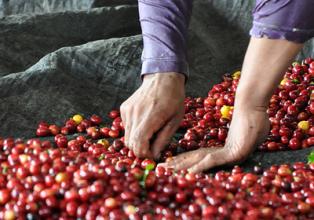
Sugar cane juice, red wine acid Kenyan Jinchugu coffee flavor, characteristics, taste and manor introduction
Enbu processing Plant (Embu Washing Station), which comes from Gichugu, adopts Kenyan double washing method and grows in Manyata-Enbu County on the eastern slope of the Kenyan Mountains from 1550 to 1750. The variety is Kenya's classic SL28,SL34, coupled with the large temperature difference between day and night in the deceived area, and the red phosphoric acid soil in Kenya, which makes the sour and sweet become the second order of this Kenyan branch.

Red wine acidity, Sugar cane juice, Kenyan Jinchugu coffee flavor, characteristics, taste and manor introduction
Enbu processing Plant (Embu Washing Station), which comes from Gichugu, adopts Kenyan double washing method and grows in Manyata-Enbu County on the eastern slope of the Kenyan Mountains from 1550 to 1750. The variety is Kenya's classic SL28,SL34, coupled with the large temperature difference between day and night in the deceived area, and the red phosphoric acid soil in Kenya, which makes the sour and sweet become the second order of this Kenyan branch.

Sugar cane juice, sour red wine, Kenyan Jinchugu coffee flavor, characteristics, taste and manor introduction
Enbu processing Plant (Embu Washing Station), which comes from Gichugu, adopts Kenyan double washing method and grows in Manyata-Enbu County on the eastern slope of the Kenyan Mountains from 1550 to 1750. The variety is Kenya's classic SL28,SL34, coupled with the large temperature difference between day and night in the deceived area, and the red phosphoric acid soil in Kenya, which makes the sour and sweet become the second order of this Kenyan branch.

The flavor, characteristics, taste and manor of Kenyan Jinchu Coffee with sour Sugar cane juice Red Wine
Enbu processing Plant (Embu Washing Station), which comes from Gichugu, adopts Kenyan double washing method and grows in Manyata-Enbu County on the eastern slope of the Kenyan Mountains from 1550 to 1750. The variety is Kenya's classic SL28,SL34, coupled with the large temperature difference between day and night in the deceived area, and the red phosphoric acid soil in Kenya, which makes the sour and sweet become the second order of this Kenyan branch.

Kenyan Jinchu Coffee Variety characteristics of sour Red Wine introduction to Fine Coffee beans in Manor
Enbu processing Plant (Embu Washing Station), which comes from Gichugu, adopts Kenyan double washing method and grows in Manyata-Enbu County on the eastern slope of the Kenyan Mountains from 1550 to 1750. The variety is Kenya's classic SL28,SL34, coupled with the large temperature difference between day and night in the deceived area, and the red phosphoric acid soil in Kenya, which makes the sour and sweet become the second order of this Kenyan branch.

Red wine fruit acid Kenyan Jinchugu Coffee Variety characteristics introduction to Fine Coffee beans in Manor
Enbu processing Plant (Embu Washing Station), which comes from Gichugu, adopts Kenyan double washing method and grows in Manyata-Enbu County on the eastern slope of the Kenyan Mountains from 1550 to 1750. The variety is Kenya's classic SL28,SL34, coupled with the large temperature difference between day and night in the deceived area, and the red phosphoric acid soil in Kenya, which makes the sour and sweet become the second order of this Kenyan branch.
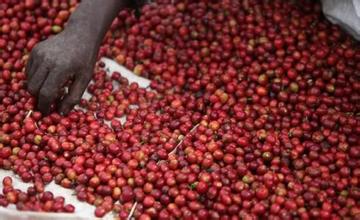
Sugar cane juice Red Wine Fruit Acid Kenyan Jinchu Coffee Flavor, characteristics, taste and Manor introduction
Enbu processing Plant (Embu Washing Station), which comes from Gichugu, adopts Kenyan double washing method and grows in Manyata-Enbu County on the eastern slope of the Kenyan Mountains from 1550 to 1750. The variety is Kenya's classic SL28,SL34, coupled with the large temperature difference between day and night in the deceived area, and the red phosphoric acid soil in Kenya, which makes the sour and sweet become the second order of this Kenyan branch.

Fruit acid red wine Kenyan Jinchugu Coffee Variety Taste characteristics introduction of Fine Coffee beans in Manor
Enbu processing Plant (Embu Washing Station), which comes from Gichugu, adopts Kenyan double washing method and grows in Manyata-Enbu County on the eastern slope of the Kenyan Mountains from 1550 to 1750. The variety is Kenya's classic SL28,SL34, coupled with the large temperature difference between day and night in the deceived area, and the red phosphoric acid soil in Kenya, which makes the sour and sweet become the second order of this Kenyan branch.

For Rwandan coffee beans, it is better to buy raw beans or roasted beans.
Rwandans have been growing coffee since colonial times, but until 1999, its products were still classified as below Class C and were not popular in the global market. The reason for the poor quality is that farmers do not have a fixed procedure for washing coffee beans and do not process coffee fruits according to specifications in time. Buyers buy coffee beans at $0.33 per kilogram, and farmers keep warm by the meagre profits earned at low prices.
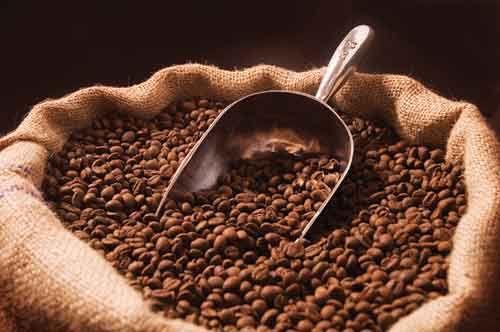
Sugar cane juice, Kenyan Jinchu Coffee with sour red wine, its flavor, characteristics, taste and manor introduction
Enbu processing Plant (Embu Washing Station), which comes from Gichugu, adopts Kenyan double washing method and grows in Manyata-Enbu County on the eastern slope of the Kenyan Mountains from 1550 to 1750. The variety is Kenya's classic SL28,SL34, coupled with the large temperature difference between day and night in the deceived area, and the red phosphoric acid soil in Kenya, which makes the sour and sweet become the second order of this Kenyan branch.
Introduction to Rwanda Malaba Coffee grown in fertile volcanic soil on high-altitude hills
In 2000, the Mayor of Malaba requested development assistance from the National University of Rwanda (UNR), which is located near the city of Butare, and the following year, the National University of Rwanda assisted in the establishment of the Joint strengthening Rwanda Agricultural Partnership (PEARL). PEARL is also supported by several organizations: the United States Agency for International Development (USAID), Michigan State University, Texas A & M University, and

Introduction to the characteristics of Rwanda Coffee Bean Flavor Manor producing area Coffee growing Environment in Rwanda
Rwandans have been growing coffee since colonial times, but until 1999, its products were still classified as below Class C and were not popular in the global market. The reason for the poor quality is that farmers do not have a fixed procedure for washing coffee beans and do not process coffee fruits according to specifications in time. Buyers buy coffee beans at $0.33 per kilogram, and farmers keep warm by the meagre profits earned at low prices.

Rwanda wash bourbon taste fragrance Rwanda coffee type and price
Professional baristas please follow the coffee workshop (Wechat official account cafe_style) Rwanda coffee, like many African countries, is mainly produced by small farmers, and the ripe coffee cherries are collected and sent to the processing station for processing every year at harvest time. During the annual harvest period, the ripe coffee berries picked by farmers are concentrated at the treatment station for treatment. they are first selected by hand to ensure that there is no immaturity.

Unique acidity and taste characteristics of Kenyan Jinchugu coffee varieties introduction to the flavor of boutique coffee beans in the manor
Enbu processing Plant (Embu Washing Station), which comes from Gichugu, adopts Kenyan double washing method and grows in Manyata-Enbu County on the eastern slope of the Kenyan Mountains from 1550 to 1750. The variety is Kenya's classic SL28,SL34, coupled with the large temperature difference between day and night in the deceived area, and the red phosphoric acid soil in Kenya, which makes the sour and sweet become the second order of this Kenyan branch.

Ethiopia Wolichu Wachu Wulichuachu processing Plant-Ethiopian Bourbon Coffee beans
Professional Coffee knowledge Exchange for more information on coffee beans please follow the new batch of Ethiopian coffee from the small processing plant in the coffee workshop (Wechat official account cafe_style) on the other side of the mountain. Altitude: 2100-2310 m area: Guji washing station: Walichu Wachu (Wali out) bean seed: Ethiopian native species Ethiopian Heirloom washing place

Introduction of Burundian Fine Coffee from Lujiabao treatment Plant, Ngozi Province, Burundi
Professional coffee knowledge exchange more coffee bean information please follow the coffee workshop (Wechat official account cafe_style) Burundi. Ngozi province. Lujiabao processing Plant. Burundi Ngozi Rugabo Washed is a coffee-producing country in East Africa that is attracting more and more attention-- BURUNDI, Burundi. There is not much relevant information, and the text and pictures found on the Internet are very limited and my coffee friends.